What the response includes
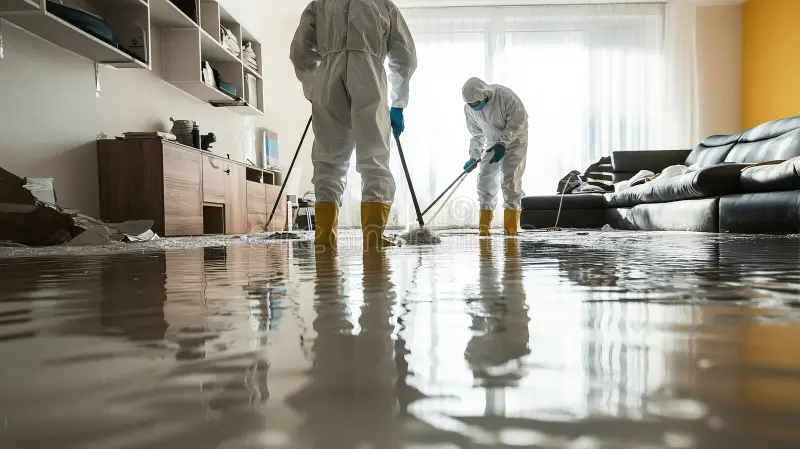
Severe weather can overwhelm drains, push water into lower levels and affect many properties at once. Lowetyde coordinates water removal for homes and multi-unit dwellings after storms and natural disasters. The first conversation focuses on the source, approximate depth, affected rooms, property access and any electrical or contamination concerns.
Confirm the property can be entered safely
Remove accessible standing water
Separate damaged contents and materials
Plan drying, monitoring and next-step restoration
Water removal for homes, condos, co-ops and apartments
Residential water damage is not one-size-fits-all. In a house, the response may center on a basement, utility room or several connected floors. In a condo or co-op, the work may also require coordination with building staff, access rules, neighboring units and common areas.
If water may have reached electrical equipment, outlets or a live panel, stay out of the affected area until it has been made safe.
Common reasons people call Lowetyde
- Burst, frozen or leaking pipes
- Overflowing tubs, sinks and toilets
- Washing machine and appliance failures
- Sump pump failures
- Storm and natural-disaster flooding
- Water entering rooms below
- Finished basement flooding
- Unexpected standing water
Find storm & natural disaster response near you
Lowetyde accepts calls throughout New York, New Jersey and Connecticut. Choose a state to see town-specific pages and direct contact information.
Questions about water removal
What should I do first when I find standing water?
Stay out if water may have reached electrical equipment, outlets or a live panel. If it is safe, stop the water source and call Lowetyde with the property address, water depth and affected rooms.
Do you remove water from basements?
Yes. Lowetyde handles basement pump outs and remaining surface-water extraction for finished and unfinished basements.
What types of properties do you serve?
We focus on dwellings, including single-family homes, apartments, condos and co-ops. Building access and management requirements are reviewed before work begins.
Can you respond after a broken pipe or overflowing fixture?
Yes. Common calls include burst and frozen pipes, leaking supply lines, overflowing tubs and sinks, failed appliances and other plumbing-related water events.